
IMAGE

Fig. 6

ID
ZDB-IMAGE-251210-51
Source
Figures for Deng et al., 2025
Image
Figure Caption

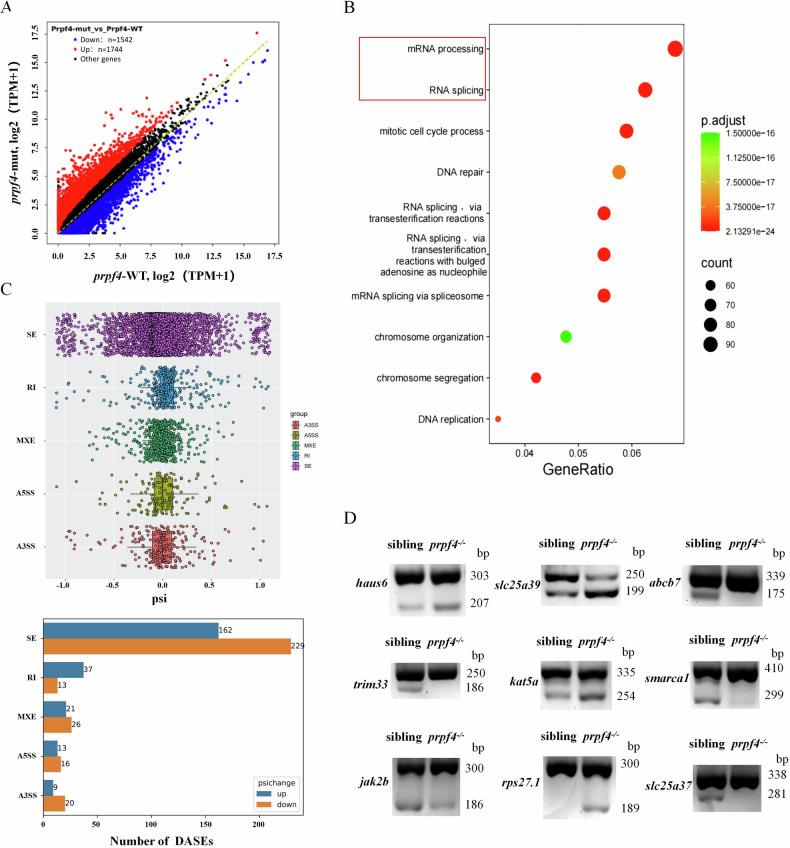
Fig. 6 prpf4 deficiency leads to aberrant splicing of genes related to erythrocyte differentiation and maturation.

A RNA-seq analysis reveals significant differential gene expression in prpf4−/− mutants compared to siblings. Differentially expressed genes were identified using a fold-change threshold and adjusted p-value. B Gene Ontology (GO) enrichment analysis of upregulated genes in prpf4−/− mutants. C Differential alternative splicing events (DASEs) in prpf4−/− mutants. PSI (Percent Spliced-In) indicates the proportion of transcripts including a given exon; changes in PSI reflect shifts in splicing patterns. Splicing events with FDR < 0.05 and |ΔPSI | ≥ 0.1 were considered significant. Top: Scatter plot of PSI (Percent Spliced-In) changes for different types of splicing events, including skipped exon (SE), retained intron (RI), mutually exclusive exon (MXE), alternative 5’ splice site (A5SS), and alternative 3’ splice site (A3SS). SE events are the most affected, with a predominance of negative PSI changes. Bottom: Bar plot showing the number of upregulated and downregulated DASEs for each splicing event type. The majority of DASEs are SE events, with 229 downregulated and 162 upregulated cases. D Validation of aberrant splicing events in erythropoiesis-related genes by SqRT-PCR at 48 hpf. Differential splicing patterns were confirmed in prpf4−/− embryos for representative genes including haus6, slc25a39, abcb7, trim33, kat5a, smarca1, jak2b, rps27.1, and slc25a37.

Acknowledgments
This image is the copyrighted work of the attributed author or publisher, and ZFIN has permission only to display this image to its users. Additional permissions should be obtained from the applicable author or publisher of the image. Full text @ Cell Death Discov